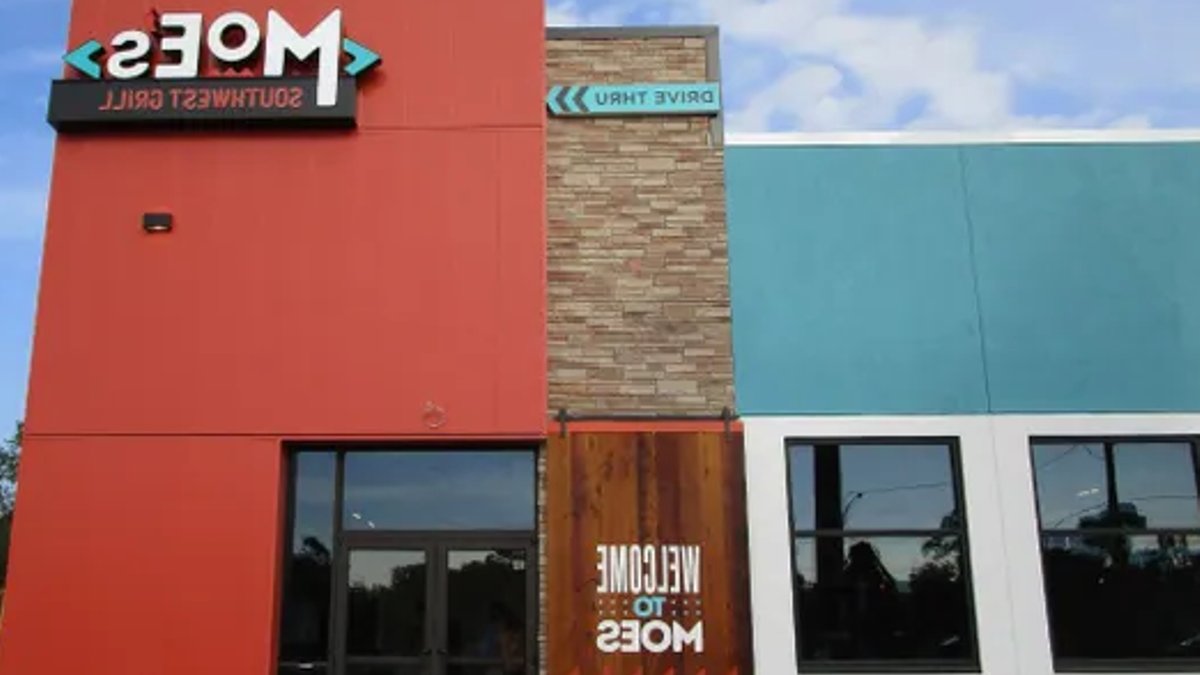
Quality Fresca, a franchisee operating 38 locations of Moe’s Southwest Grill, filed for Chapter 11 bankruptcy protection last week, court records show. The operator had spent years stabilizing its business after the COVID-19 pandemic, but inflation and shifting consumer habits in 2025 ultimately reversed that progress.
G. Michael Verdisco, the Chief Restructuring Officer, noted in a first day declaration that declining foot traffic during and after the pandemic was not offset by lower rental obligations. Verdisco wrote that the company faced several years of difficult business conditions that eventually left it unable to meet its obligations.
Quality Fresca entered the Moe’s system in 2020, acquiring 67 restaurants in Florida, South Carolina, Virginia, Maryland and Washington, D.C. just before pandemic restrictions took hold. The operator closed 19 underperforming locations between 2021 and the end of 2025 while negotiating with creditors to reduce its debt. This year, a further 12 stores were shut down. The company hopes the bankruptcy process will allow it to streamline operations by closing unprofitable locations and rationalizing its lease portfolio and cost structure.
Related: Restaurants turn to artificial intelligence solutions
Despite managing to stabilize its business somewhat, competitive pressures and consumer shifts in 2025 resulted in negative EBITDA. The entity faced rising costs for shipping and food, decreased availability of labor, and general inflation, which exacerbated cash flow issues. The operator aims to emerge from the process with a smaller, self-sustaining restaurant footprint.
Moe’s Southwest Grill has struggled in recent years, with average unit volume at traditional franchise locations declining from $1.23 million in 2023 to $1.18 million in 2025, according to the chain’s latest franchise disclosure document. The store count has also fallen, dropping from 681 in 2021 to 568 at the start of 2026.
The Mexican fast casual chain has been trying to reverse those sales trends. In September, it added value meals to insulate itself from competitive pricing pressure in the segment. In April, the brand debuted snack-sized grilled burritos to expand its overall occasions.
Related: Panera Moves Headquarters to Massachusetts
2026 has seen several major franchisee and brand bankruptcies across the industry. On the Border, a Mexican casual dining chain, filed for Chapter 7 bankruptcy earlier this summer. Matadoor Restaurants, a major Del Taco operator, filed for Chapter 11 and later closed all of its Georgia restaurants. Last month, a 60-store Hardee’s franchisee filed for bankruptcy, the latest of several CKE operators to seek protections.
While the chain’s recent menu changes might offer short-term sales boosts, the broader economic headwinds affecting franchisees suggest that the path to recovery for smaller operators remains difficult. The bankruptcy of a franchisee with a history of aggressive expansion highlights the fragility of restaurant footprints built during periods of low interest rates and high consumer spending. This trend reflects a challenging environment for restaurant chains.
