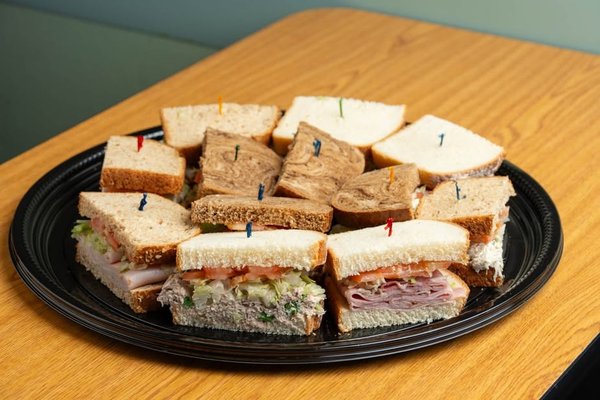
A common assumption among those searching for lunch or event planning is that the choice between a quick bite and a catered spread requires sacrificing quality for convenience. People often assume that finding a reliable shop for a casual meal or a professional service for a larger group must involve a compromise—either choosing the familiar, mass-produced option or taking a risk on an unknown establishment. However, the reality of local food service is significantly more nuanced.
Rethinking the search for quality local food
When individuals look for the best subs near me, the tendency is to rely on broad search engine results or top-rated lists that may not reflect current operations or a provider’s true consistency. These platforms often prioritize volume over quality. A more effective way to approach this search is to evaluate how a shop manages its ingredients and daily preparation.
A high-quality sandwich relies on the relationship between its components. Freshness is the primary indicator of a dedicated shop. When a business prioritizes the daily preparation of breads, the sourcing of quality proteins, and the careful selection of fresh produce, the difference in the final product becomes clear. Rather than focusing on a sheer quantity of options, a thoughtful customer should look for establishments that emphasize a core menu and demonstrate consistency in how they build their signature items. If a shop consistently manages the balance of textures—the crispness of the bread against the moisture of the fillings—they are likely paying close attention to their craft.
What defines a reliable provider for group events
When the search shifts toward sandwich catering near me, the stakes often rise. The expectation for catering is not just high-quality food, but also logistical reliability. Providing a meal for a group requires a level of coordination that differs from serving a single customer.
The most capable catering providers are those that have built their workflows around consistency and timing. When evaluating a potential partner, look for those who can clearly articulate how they handle larger orders. A good provider will typically have a structured process for verifying headcounts, confirming dietary needs, and ensuring that temperature-sensitive items arrive in optimal condition. They should be able to provide guidance on portion sizes and variety, helping to tailor the menu to the size and preferences of the group. If a provider is willing to ask detailed questions about the nature of the event—such as the setting, the timing of the meal, and the diverse dietary needs of the attendees—this is a strong indicator of professional experience.
Evaluating quality in practice
It is helpful to distinguish between a provider that can simply assemble food and one that understands the requirements of hospitality. In practice, this distinction is often found in the small details. Consider how a shop presents its catering platters: are the sides separated to prevent wilting? Is the packaging designed to keep items fresh during transport? These operational choices reveal whether the business understands that the quality of the meal is as important as the speed of delivery.
Furthermore, communication acts as a primary filter. A reliable provider should be transparent about what they can and cannot do. They should communicate clearly regarding lead times, which are often necessary to ensure that ingredients are prepped specifically for the order rather than pulled from a pre-made stock. If a potential catering service seems hesitant to answer questions about their sourcing or logistics, it may be a signal to look for a more communicative partner.
Reframing the approach to food service
Instead of viewing the search for a meal or a catered event as a search for a name or a ranking, it is more useful to view it as a process of vetting for operational standards. The goal is to move from reactive searching—clicking the first link that appears—to intentional selection based on a provider’s demonstrated habits.
For residents in any area, the best food experiences often come from shops that prioritize simplicity and reliability over constant menu turnover. A focused menu suggests that a kitchen has mastered its craft. Whether you are looking for an individual meal or coordinating a professional gathering, prioritize providers who show an attention to process. Ask how they maintain ingredient freshness, what their typical lead times are for larger groups, and how they ensure that the final result remains consistent across multiple orders.
By shifting the focus from general popularity to the specific indicators of quality and operational maturity, you can find local providers that reliably deliver value. A high-quality sandwich or a well-executed catering order is rarely a matter of luck; it is almost always the result of a deliberate, consistent approach to food preparation. When you prioritize these markers of quality, you simplify your decision-making process and increase the likelihood of a positive experience every time.
