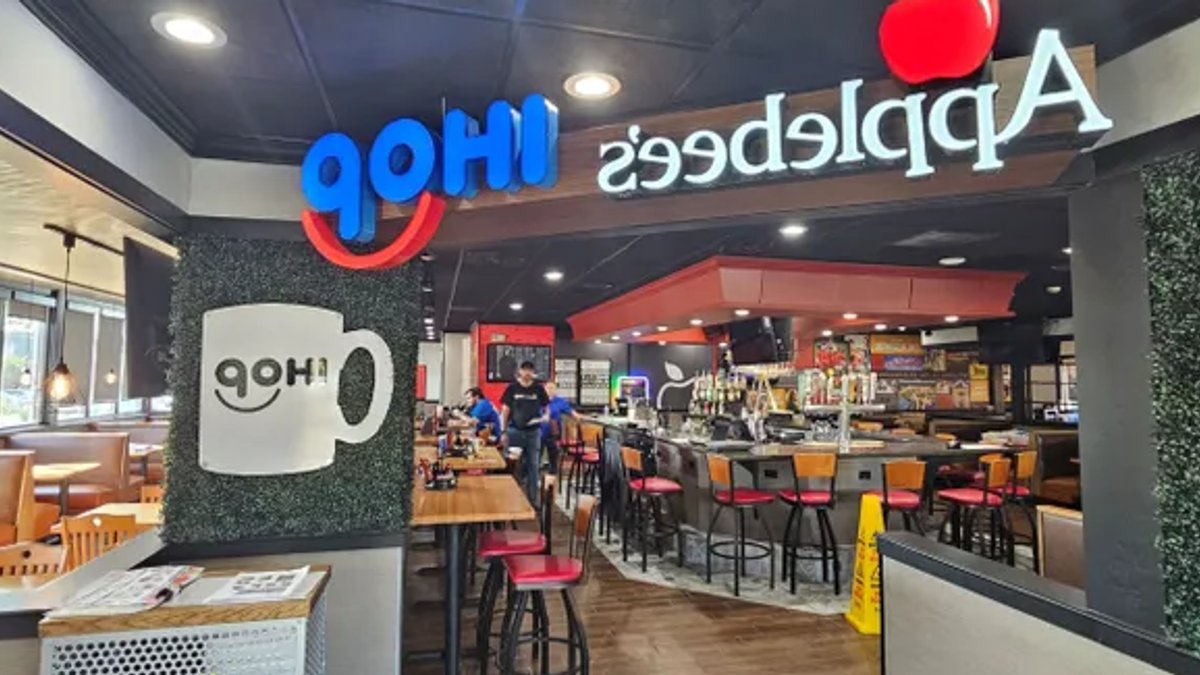
Dine Brands is using a dual‑brand model to keep underperforming restaurants open, adding an Applebee’s concept to existing IHOP locations and vice‑versa.
Dual‑brand rollout reaches 45 sites
Since the program began last year, Dine Brands has opened 45 co‑located Applebee’s and IHOP restaurants across the United States, including seven owned directly. Another 12 sites are under construction, according to the latest earnings release.
During the second quarter, the chain reported 13 new openings and 30 closures for its two brands. Nine of those openings were net dual‑brand locations, which the filing says are helping to offset the overall loss of sites.
CEO John Peyton noted that closures are not tied to broader industry trends. “We’ve got restaurants that are 20, 30, even 40 years old. Landlords change, markets change, leases change, and so it’s all part of the normal course of business,” he said. “For a system our size, one can expect up to 2% a year of restaurant closures, and that’s where we are and where we’ve been.”
Related: Cava Thrives in Fast Casual With Lean Marketing
Sales impact and operational tweaks
Applebee’s comparable sales fell 1.8% year over year, while IHOP’s U.S. same‑store sales rose 1.5% in the same period. Peyton said the dual‑brand conversions are already delivering a noticeable lift in revenue.
“We’re very pleased that this 2× revenue is settling in and repeatable now that we’ve got 45 restaurants,” he said. Converting a single‑brand restaurant to a dual‑brand format costs roughly $1 million, and guest feedback has been favorable. About two‑thirds of diners order from both menus, he added, with breakfast items like omelets appearing alongside ribs, and dinner plates featuring skillets and pancakes.
The plan is to reach 80 co‑branded units by year‑end and to streamline kitchen operations and labor efficiency. “Our focus going forward is now fine‑tuning the operational model, looking at making the kitchen more efficient, making the labor more efficient and doing the next generation of the menu,” Peyton explained.
A recent dual‑brand opening in Los Angeles showed that the concept can thrive in larger urban markets; sales there have reportedly doubled since the launch.
Related: McDonalds CEO cites execution issues
Data is still being gathered, but the mix of locations—urban, suburban or rural—appears to be performing within a relatively narrow range, he said. Franchisee interest is growing, with about 12 franchisees participating in the first rounds and more signing up as results become visible.
Marketing for each brand continues to follow its national schedule. If Applebee’s runs a promotion such as Two for $25 with Cheeseburger Wonton Tacos, the dual‑brand outlet will promote it just like any standalone location.
Local advertising may include digital, social media or community campaigns, and Dine Brands works with regional teams to generate buzz around each new opening.
Future growth will depend on how well the concept scales across diverse demographics and whether the added complexity can be managed without eroding profit margins.
