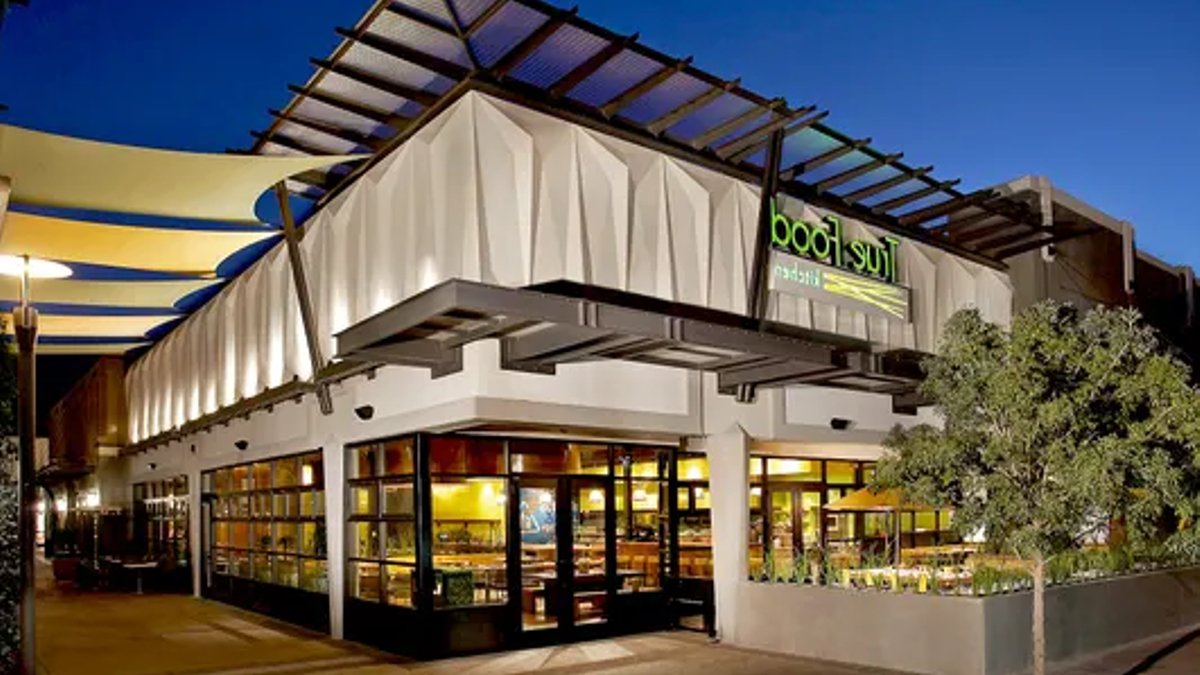
On Sunday, True Food Kitchen sought Chapter 11 bankruptcy protection in the U.S. Bankruptcy Court for the Southern District of Texas, as outlined in a press release. The company aims to secure a long-term partner with a similar brand vision, enabling it to achieve lasting success. As part of its restructuring efforts, 12 restaurants were closed, while 34 locations across 14 states continue to operate. True Food Kitchen will undergo a court-supervised sale to identify a suitable partner with the necessary resources to support its future growth.
Restoring the Financial Foundation
The wellness-driven casual chain said it will use the restructuring process to improve its financial foundation, restaurant footprint and cost structure as well as accelerate current operational improvements. True Food Kitchen’s financial distress has been building since the COVID-19 pandemic, which impacted profitability during a time when the company was growing, Nathan Cook, chief restructuring officer, said during a first-day motion. The company secured $20 million in debtor-in-possession financing from HumanCo TFK IV, subject to court approval. Alongside cash from operations, the company expects to have enough funding to provide liquidity to sustain the business through Chapter 11 and a sale.
Before filing for bankruptcy, the chain sought to revitalize its operations. It appointed Jeff Chandler as CEO in July, brought in Gordon Brothers to assess its real estate holdings, and hired Teneo—where Cook is employed—as a financial advisor to examine the business’s liquidity and explore strategic options. The company also reduced its corporate staff, renegotiated supplier agreements, and limited expenditures, while pursuing lease assignment opportunities for all unexpired leases.
Strategy and Expansion Challenges
The company allocated capital to purchase equipment for these new offerings, which ‘were not well aligned with the Company’s health-focused brand identity,’ according to Cook. These initiatives failed to deliver results, with True Food Kitchen’s dine-in locations underperforming due to lower-than-expected foot and car traffic in some areas, while others faced declining profitability from shifting market conditions and demographics over time.
Related Post: Asian food leads office lunch sales growth
During the pandemic, True Food Kitchen repurposed certain locations as ghost kitchens and established an off-site facility for delivery-only orders. These trials strained staffing and diluted the dining experience. All such sites have since been closed as the chain reemphasized its core restaurant operations. Additional challenges included leadership changes, which prompted shifts in growth strategies, branding, and menu offerings, Cook explained.
True Food Kitchen was originally established in 2008 and was part of the Sam Fox restaurant group. The company grew to 20 units, and in 2017, the chain was spun off as FRC Balance. In 2018, it received an equity investment from Oprah Winfrey, who joined the brand’s board of directors. At the time, the chain was focused on growth across the East Coast. After the spinoff, the chain expanded over the next few years, reaching its peak of 46 units. A handful of other once fast-growing chains have also declared bankruptcy this year.
Salad and Go closed 70 stores and declared bankruptcy over the summer, with 7 Brew snatching up about 63 of its stores for $123 million. On the Border filed for Ch. 7 liquidation, less than two years after it declared Ch. 11 bankruptcy and was sold to Pappas Restaurants. Fat Brands also declared bankruptcy in January and was split up by multiple buyers. Fat Brands, under owner FBG Bid Co., has since renamed itself as OHG (Original. Honest. Good) with about a dozen brands under its portfolio.
History and Recent Industry Trends
It later spun off as FRC Balance in 2017 and received an investment from Oprah Winfrey in 2018. The chain expanded to 46 locations, its peak size, before the current struggles.
