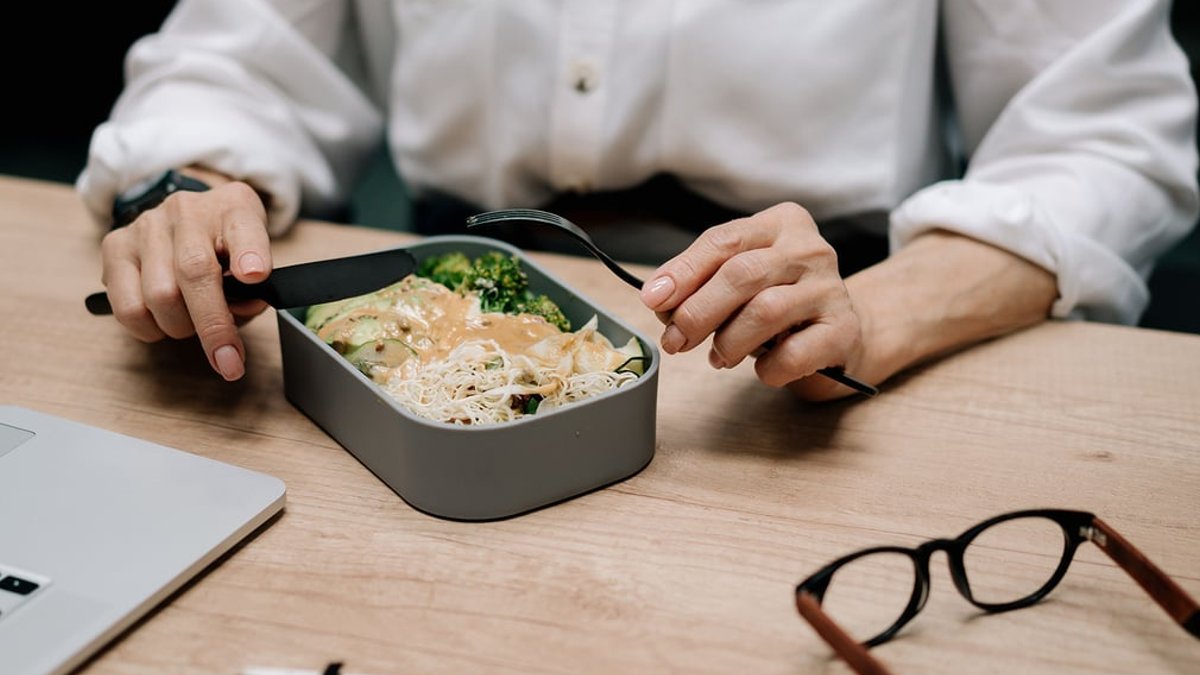
As summer ends and employees return to their regular office routines, restaurant operators have an opportunity to reach customers at the workplace. The office lunch occasion has changed significantly over the last several years, with hybrid schedules making daily populations less predictable and consumers having more choices than ever.
According to the report, tastes have changed considerably since the author started connecting restaurants with workplace customers over 15 years ago. There are clear patterns around what’s working and what’s not in the office lunch sector, with variety being a key factor for consumers.
Winning in the Workplace
Potential customers, particularly those in urban areas, are surrounded by restaurant choices and are accustomed to deciding among different cuisines, formats, and price points every day. The most successful workplace programs reflect this variety, with the goal of earning a place in the rotation and giving people something they’re excited to try.
Asian food has been the standout so far this year, with sales increasing 53% compared to the same period last year. This growth is led by dishes such as chicken teriyaki bowls, orange chicken bowls, and Pad Thai. Sales among Asian restaurants that were active in both periods still increased roughly 15%, putting Asian food ahead of every other cuisine tracked.
The format of composed meals, particularly bowls that combine a protein, grain, vegetables, and sauce, appears to be as important as the cuisine itself. Diners are increasingly interested in these types of meals, with overall salad sales increasing 11% year over year and strong performance coming from spicy Caesar salads, crispy chicken wraps, and heartier grain bowls.
Health Trend
There is a broader health trend underlying these results, with soups, salads, rice bowls, quinoa bowls, and other grain-based meals continuing to perform well. This is consistent with increased consumer attention to health and wellness, potentially driven by the growing adoption of GLP-1s. However, the data suggests that consumers are not simply looking for lighter food, but rather food that balances health with satisfaction.
National brands such as Just Salad, Sweetgreen, and Teriyaki Madness have performed well in workplace settings, reflecting these trends. For restaurant operators, the takeaway is relatively straightforward: workplace diners want variety, but within that variety, there is stronger demand for flavorful, composed meals that travel well, are easy to eat, and can satisfy someone without feeling overly heavy.
Restaurants that can deliver this combination are well-positioned for the office lunch occasion. The workplace is becoming a meaningful dining location again, with return-to-office policies becoming more established and millions of consumers making lunch decisions at work several days a week. This creates a customer occasion that restaurants should be thinking about alongside dine-in, takeout, delivery, and catering, with the economics being attractive due to concentrated demand and marketing benefits.
A writer who has been connecting restaurants with workplace customers for over 15 years notes that the key is approaching the workplace as its own channel, rather than simply another form of delivery or catering. Menus need to travel well, service needs to be fast, and pricing has to make sense, with specialists available to manage logistics, technology, and workplace relationships, allowing restaurant operators to focus on making good food and creating experiences people want to come back to, as the workplace lunch consumer is not fundamentally different from the consumer walking into a restaurant, still wanting quality, value, variety, and something they are excited to eat.
The founder and CEO of Fooda, a leading workplace food platform, has seen the company grow to operate in 38 states, serving offices, hospitals, distribution centers, and other workplaces across the country, with over 2,500 clients and 4,000 restaurant partners, and under his leadership, the company has reimagined corporate dining with flexibility and variety, bringing meals from local restaurants directly into the workplace.
Workplace Dining Opportunities
By doing so, restaurants can operate with more focused menus and prepare meaningful volume efficiently. This can lead to a marketing benefit, as serving inside a workplace puts a restaurant in front of customers who may not otherwise encounter the brand.
As more people spend more days back at work, the opportunity for restaurants is to meet those customers where they already are. By offering the right combination of variety, flavor, and convenience, restaurants can succeed in the workplace dining market.
