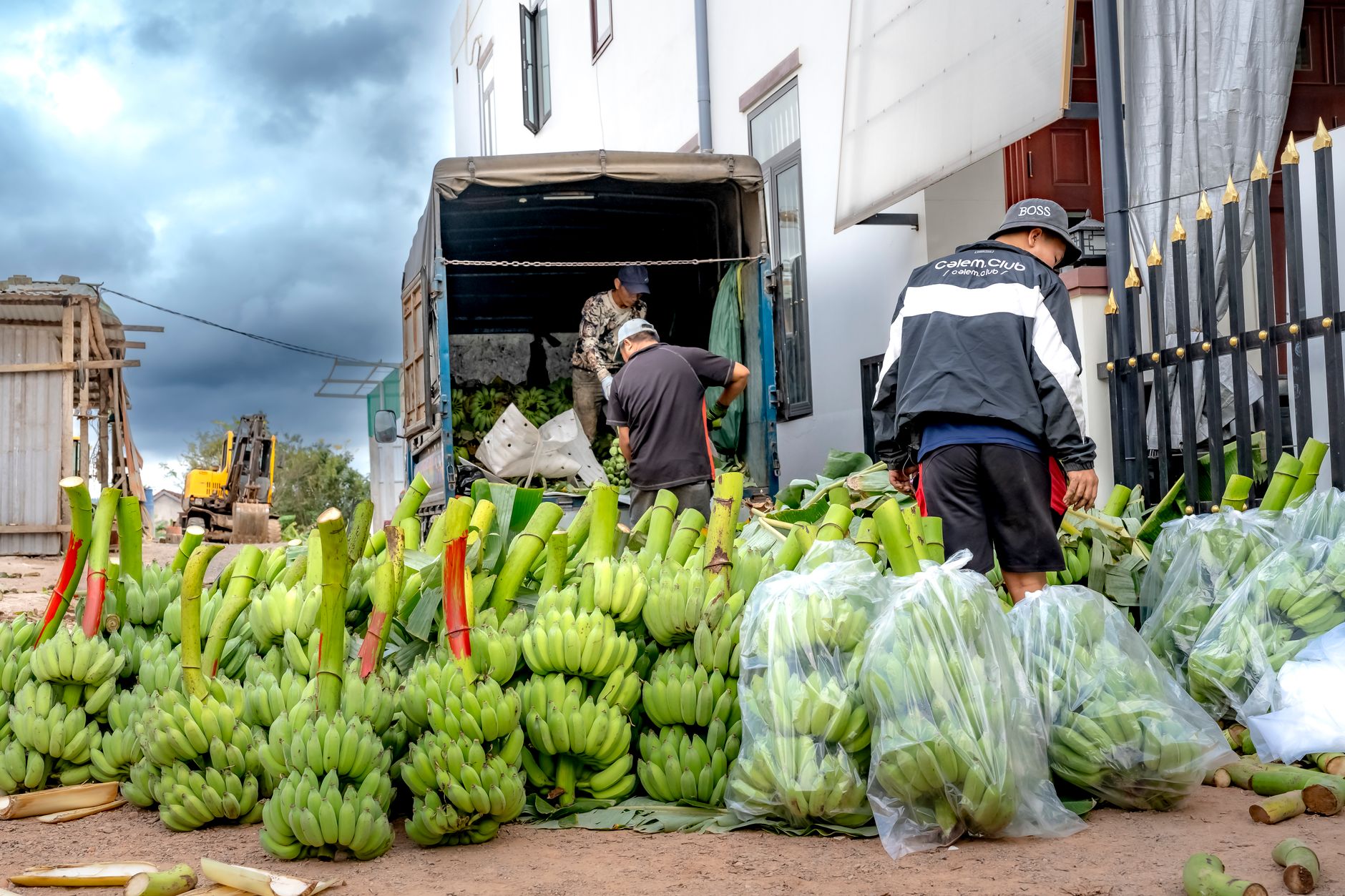
AI is reshaping food supply chains by turning raw data into decisions that keep production moving when disruptions loom.
AI drives faster decisions.
From Data Collection to Real‑Time Intelligence
Most risk in a food network sits beyond the first tier of suppliers. Ingredient producers, processors and logistics firms often sit several steps removed from the finished product, leaving companies with limited visibility. The shift from merely gathering information to acting on it has become the industry’s biggest challenge.
Traditional transparency programs focused on creating audit‑ready records. Those documents answer the question “what is happening?” but they do not tell firms “what should we do next.” New AI‑driven platforms continuously monitor supplier data, certifications, sourcing locations and external risk indicators. By flagging anomalies early, the technology gives companies a window to source around a problem before it hits the production line.
Retailers, investors and consumers now reward verifiable sourcing data. The same records that satisfy compliance can also sharpen sourcing strategies and expose weak links in the supply chain. As a result, transparency is moving from a compliance cost to a competitive lever.
How Artificial Intelligence Improves Decision‑Making
AI connects and analyzes massive volumes of supplier, compliance and operational data that would be impossible to manage manually. Continuous monitoring replaces periodic audits and self‑reporting, allowing firms to detect emerging issues such as a certification lapse or a regional drought well before they become crises.
Automation also eases the administrative burden on suppliers. By standardizing data collection and reporting, AI improves accuracy and frees teams to focus on risk analysis rather than paperwork. When a disruption occurs, the technology can quickly assess the impact across products, facilities and sourcing regions, helping companies prioritize response efforts and explore alternative sourcing options.
Related: Raw Vegan Cake: What Is It, Key Benefits and Difference from Conventional Cakes
Data quality remains a cornerstone. Even the most sophisticated AI tools are only as good as the information they ingest. Consistent data governance, standardized supplier records and the removal of silos between sourcing, quality, compliance and operations teams are essential for turning raw data into actionable insight.
One observation from past supply chain upgrades is that organizations often underestimate the effort needed to integrate disparate data sources. The lesson echoes earlier attempts to digitize inventory: without a clean, unified data set, the promised efficiency gains rarely materialize.
Expanding visibility beyond Tier 1 suppliers is another priority. Understanding extended networks uncovers dependencies that would otherwise stay hidden until a disruption surfaces. Breaking down information silos enables a shared view of the supply chain, which in turn supports faster, more coordinated decision‑making.
The Business Case for Transparent, AI‑Enabled Supply Chains
Regulatory compliance continues to drive transparency investments, but the benefits now extend to brand protection, sustainability reporting and risk management. Retailers and consumers increasingly demand confidence in product quality, sourcing practices and ethical standards. Companies that can provide reliable, verifiable supply chain information are better positioned to build trust and strengthen relationships across their value chains.
Beyond compliance, AI‑derived insights help identify inefficiencies and opportunities for continuous improvement. By evaluating year‑over‑year trends, firms can pinpoint where supplier training is needed and where process tweaks could reduce waste.
In an environment where extreme weather, geopolitical tensions and expanding regulatory requirements constantly reshape sourcing realities, the ability to anticipate and respond to risks is becoming a core business capability. Entities that rely solely on historical reporting and manual processes may find themselves lagging behind the pace of change.
Ultimately, the goal is no longer just to know where products originate. It is to understand what the supply chain data reveals about future risks and to act on that intelligence before disruptions affect the bottom line.
