Food manufacturers are adjusting their workforces to manage unpredictable demand and rising costs. GLP-1 medications, which reduce appetite, have already decreased grocery spending for 23% of U.S. households, with 35% of food and beverage sales expected to come from these users by 2030. At the same time, tariffs increased food prices by 2.8% in 2025, with packaging costs affected the most. These pressures are leading companies to reconsider how they staff production facilities.
GLP-1s are reshaping product offerings
Households using GLP-1 drugs like Ozempic and Wegovy spend 5.3% less on groceries within six months. Savory snacks and baked goods face the sharpest declines, while protein and fresh produce see increased demand. OC&C Strategy Consultants estimates these medications will reduce food sales by 0.2% annually through 2031, though the effect varies by category. Manufacturers must adjust not just overall volume but also which products they produce.
“Demand isn’t just falling,” says an industry analyst. “It’s shifting between categories, and that’s harder to plan for.” A facility might need to boost yogurt production while scaling back on candy, but fixed full-time staff can’t easily pivot. Temporary workers, however, offer flexibility to scale production up or down as needed.
Tariffs added uncertainty to cost planning
Trade policies introduced additional unpredictability. U.S. tariffs on food rose from 2.6% to 13% in 2025, with 90% of the cost falling on American firms and consumers. Fresh produce prices increased by 4.0%, and steel tariffs doubled to 50%, directly raising can manufacturing costs. Mid-year tariff changes disrupt input price forecasts, making long-term budgeting nearly impossible.
Related: General Mills reports loss as McCormick gains
Manufacturers are now favoring contingent labor over fixed full-time hires. Federal data shows nondurable goods manufacturing payrolls fell by 11,000 in May 2026, while temporary help services added 9,000 jobs in June. The American Staffing Association reports 2.2 million temporary and contract workers were placed weekly in 2024, with industrial roles making up 36% of placements.
“You can’t lock yourself into fixed costs when your demand and expenses are both moving,” says a sourcing executive. “Contingent workers let you match staffing to what you actually need, without the severance risk of layoffs.” This approach is especially critical as turnover rates in food manufacturing remain low—just 1.6% in May 2026, making it harder to right-size through attrition.
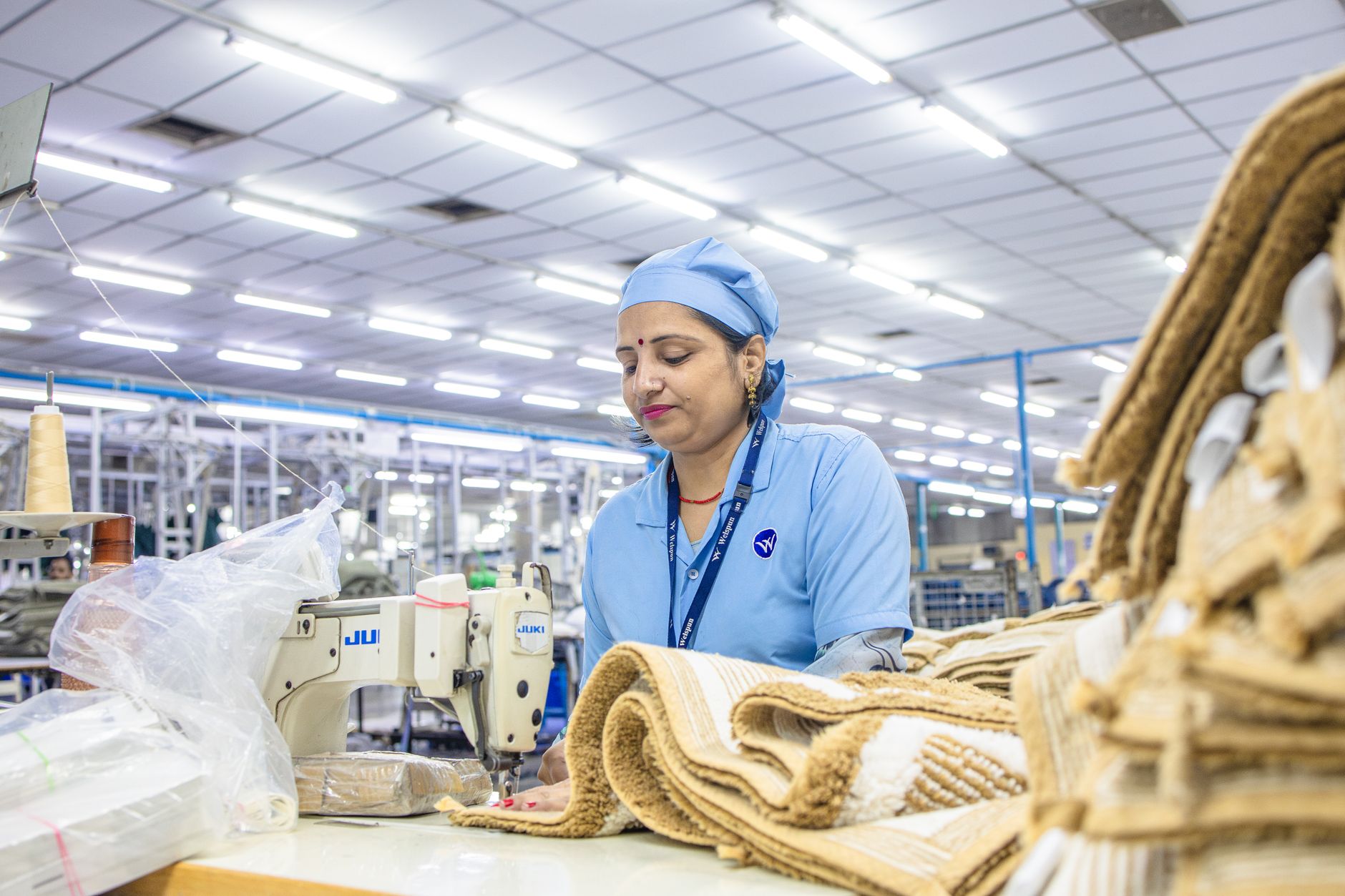
Creating this model involves splitting the workforce into a stable core and a flexible layer. Skilled roles ensuring food safety and line operations stay full-time, while volume fluctuations are managed by temporary workers. Cross-training core staff and partnering with firms familiar with food industry standards helps maintain quality while scaling capacity. Done properly, this hybrid model protects margins during demand dips and maintains throughput during spikes—two challenges no manufacturer can afford to ignore.
