Smoothie King sales rose 9% in July, delivering the strongest same‑store growth this year, according to a company statement released this week.
Flatbread rollout drives July performance
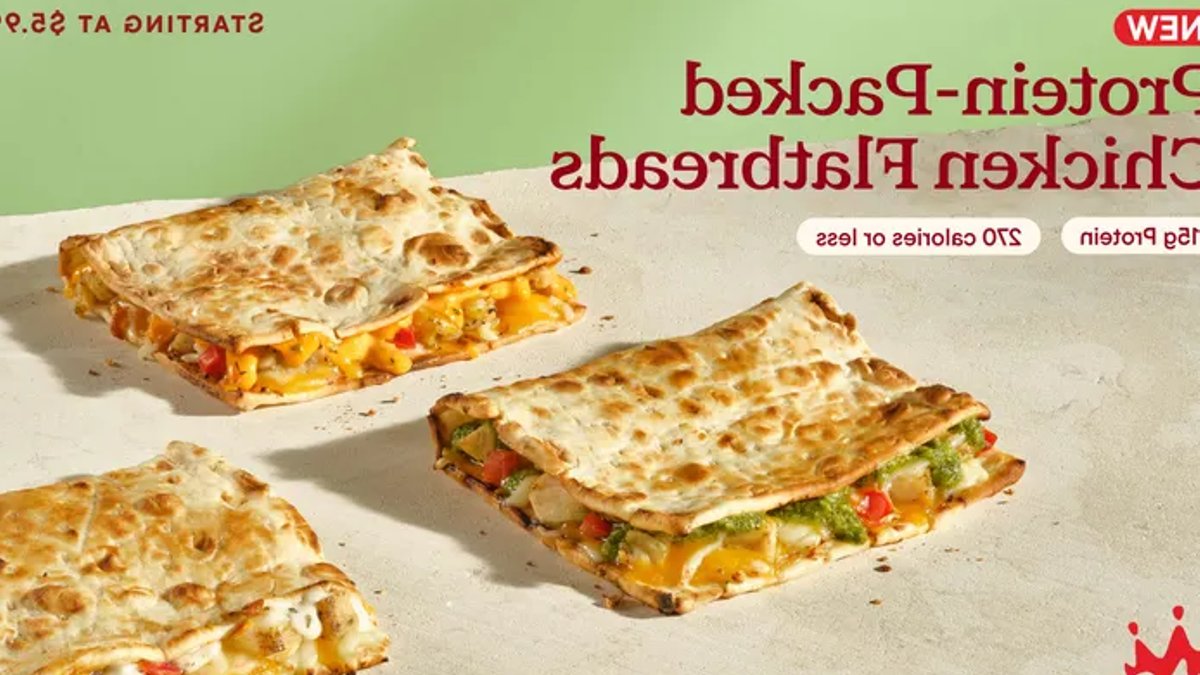
The jump follows the June 2026 launch of a new menu category featuring Chicken Flatbreads. The chain said the flatbreads helped lift same‑store sales by 9% in July, marking the best monthly growth for the brand in 2026 to date.
Flatbread offerings represent the chain’s largest oven‑based food innovation so far. Franchisees received ovens at no extra charge, a move described as lowering investment costs compared with many traditional quick‑service concepts.
The new flatbreads are already popular.
Gavin Felder, president and chief financial officer, noted that “continued focus on product innovation, store growth and the guest experience” is central to the brand’s strategy. He added that the company is “engaging with our franchisees to build a business that’s designed to lead the category for years to come.”
Historical growth and recent expansions
From 2020 through 2025, system sales climbed nearly 64%, while average unit volumes rose 27%. The chain now operates more than 1,250 locations, a figure that reflects a 76% increase over the past decade at a compound annual growth rate of 6%.
In the second quarter, Smoothie King opened 19 new stores in states including Minnesota, Michigan, Colorado and New York. An additional 32 commitments entered the pipeline, featuring multi‑unit agreements in Arkansas, Ohio and Florida.
Earlier menu introductions have also spurred sales spikes. The 2023 launch of Smoothie Bowls, for example, generated over 4.5 million bowl sales in the months that followed, contributing to the chain’s highest sales period on record.
Future plans continue to emphasize menu diversification and franchisee support. While the flatbread rollout is a key element, the brand also highlighted national advertising efforts and updates to in‑store design as part of its broader evolution.
Related: Panera Bread names new chief marketing officer
Industry observers note that Smoothie King’s trajectory mirrors that of rival Tropical Smoothie Café, which aims to reach 1,800 units this year and has a pipeline of more than 900 openings after 2026. Both chains have attracted private‑equity backing; Blackstone bought Tropical Smoothie Café in 2024, and Smoothie King secured a minority investment from Main Post Partners last year.
Broader brand evolution
The Chicken Flatbreads launch sits within a series of product experiments that began with the “Power Eats” menu, which introduced loaded toasts and protein boxes. Those earlier items demonstrated the brand’s willingness to move beyond traditional smoothies and set the stage for a fully oven‑driven offering.
By supplying ovens at no additional cost, Smoothie King removed a common barrier for franchisees, allowing rapid rollout of the flatbreads across diverse markets. This approach contrasts with the capital‑intensive models typical of many quick‑service restaurants, where equipment purchases can significantly raise the upfront spend.
National advertising campaigns accompanying the flatbread debut focus on highlighting the protein‑rich profile of the chicken topping, positioning the product as a balanced meal alternative for on‑the‑go consumers. Complementary changes to in‑store design—such as streamlined ordering kiosks and refreshed signage—aim to reinforce the perception of a modern, health‑focused environment.
Guest experience enhancements also extend to digital touchpoints. The brand’s mobile app now integrates flatbread ordering, enabling customers to customize toppings and schedule pick‑up, which aligns with broader industry trends toward convenience and personalization.
Franchisee collaboration and growth strategy
Statements from senior leadership emphasize a collaborative relationship with franchise partners. By reducing equipment costs and providing marketing support, the company seeks to create a sustainable growth model that can weather competitive pressures.
Recent store openings in the Midwest and Northeast illustrate a targeted expansion strategy that balances market saturation with the need to enter underserved regions. Multi‑unit agreements in the Southeast, particularly in Arkansas, Ohio, and Florida, suggest confidence in the brand’s appeal across varied demographic profiles.
Overall, the combination of innovative menu items, cost‑effective franchise support, and strategic advertising appears to be driving the momentum that propelled July’s same‑store sales to a new high.
