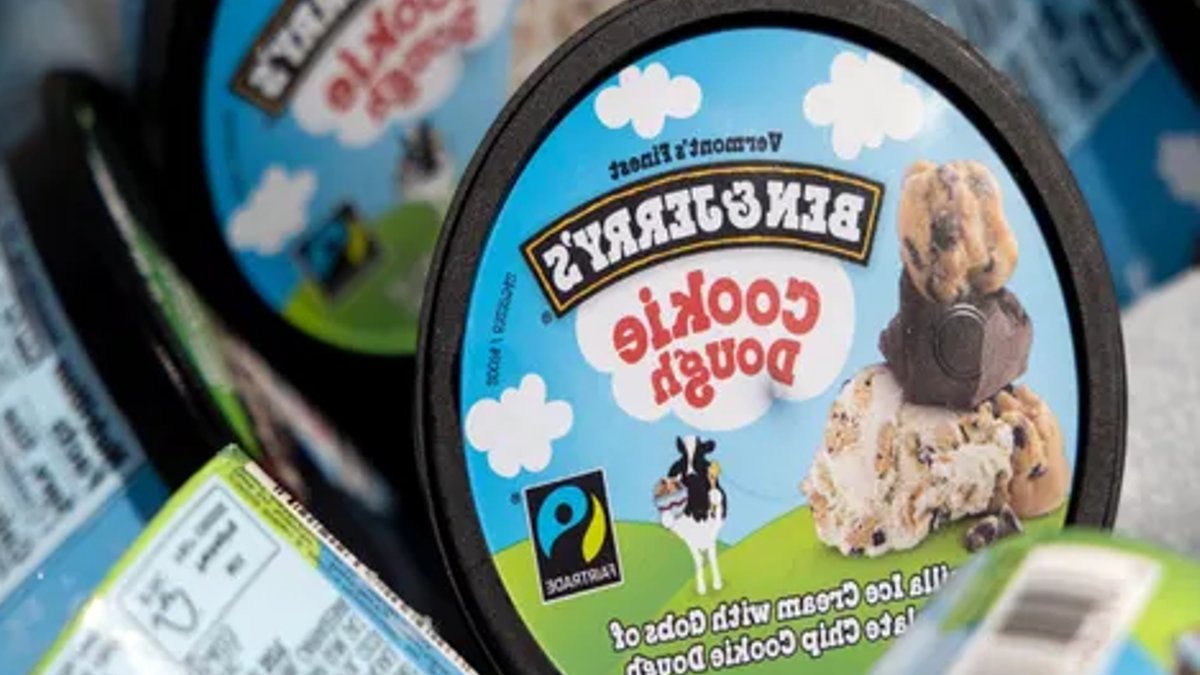
Magnum Ice Cream is rethinking how people eat its frozen treats after separating from Unilever in late 2025. The company, now the largest standalone ice cream business globally, aims to position its brands—including Ben & Jerry’s and Talenti—against snacks like chips and candy bars rather than just other desserts.
From dessert to anytime snack
The shift began when Magnum gained independence. Briana Bennett, head of North American ice cream R&D, said the separation removed previous constraints. “You kind of take the shackles off and think differently,” she said. “Decision-making is much more streamlined now.”
Magnum no longer treats ice cream as an end-of-day treat. Instead, it targets any moment of the day with smaller portions, portable packaging, and bold flavors. Bennett noted that simply releasing a new flavor isn’t enough. “It has to be exciting enough on the shelf to stand out,” she said.
Ben & Jerry’s, traditionally linked to late-night indulgence, now offers a bar format to compete directly with candy bars. The change also attracts health-conscious consumers seeking portion control. Yasso, known for its low-calorie yogurt bars, recently expanded into pints, delivering the same comfort-food experience while maintaining its protein-focused identity.
Not every brand suits every format. Magnum decided against a low-sugar version of Ben & Jerry’s, preserving its indulgent reputation. “That’s the beauty of the brands we have,” Bennett said. “They all serve a distinct role.”
Related: Sazerac acquires shuttered Kentucky distillery for expansion
Expanding into new territory, such as adding almond butter to Yasso, demands careful planning around ingredients, calories, and production. Chocolate in a pint differs from chocolate in a bar, often requiring new equipment.
The company’s diverse portfolio offers flexibility, though consumers don’t always adapt quickly. A misstep could weaken a brand’s identity or confuse shoppers. Still, Magnum believes the right innovations will succeed. It has even adapted popular flavors—like Good Humor’s Strawberry Shortcake and Creamsicle—into Breyers pints.
For consumers, the changes may seem minor. But behind the scenes, Magnum is treating its brands like a toolkit, adjusting formats to fit different moments. The company hopes shoppers will accept ice cream as a snack, though some may continue reserving it for dessert.
Magnum’s snack-focused strategy mirrors broader food industry trends where convenience drives demand. Whether it’s a protein-rich Yasso pint or a Ben & Jerry’s bar, the company wants its products to be as accessible as a bag of chips. The U.S. ice cream market exceeds $19 billion, and competition for market share is fierce.
For now, the company focuses on meeting consumers wherever they are—at home, outdoors, or in line at the store. Independence has removed barriers, and Magnum expects flexibility to keep its brands relevant in an evolving market.
