The all-inclusive resort is no longer just a destination for relaxation. For today’s travelers, it has become a way to engage with a region’s culture and food traditions without the effort of independent planning. This shift focuses less on generic dining options or themed drinks and more on authentic culinary connections to the land, where ingredients are sourced directly from onsite farms, creameries, and distilleries.
Modern resorts now offer more than standard activities and amenities—they provide carefully designed food experiences that immerse guests in local traditions. At Wildflower Farms in New York’s Hudson Valley, chef-driven restaurants like Clay guide visitors through the area’s food heritage. Meanwhile, Sierra Mar at the Post Ranch Inn in California’s Big Sur transforms a cliffside garden into a menu, featuring dishes such as abalone congee and wild-foraged mushrooms. These meals do more than satisfy hunger; they offer a taste of the region’s identity.
Where the Food Grows on the Menu
At Hawks Cay Resort in the Florida Keys, the farm is central to the dining experience. Chef Jeremy Ford, a former Top Chef winner, sources produce from his own farm between Miami Beach and the Keys, where lychees might appear in a conch salad or heirloom tomatoes pair with crisp-fried fish. The resort’s Salt + Ash restaurant serves seafood from nearby waters, but its true appeal lies in flavors that define Florida: bold, local, and distinctly regional.
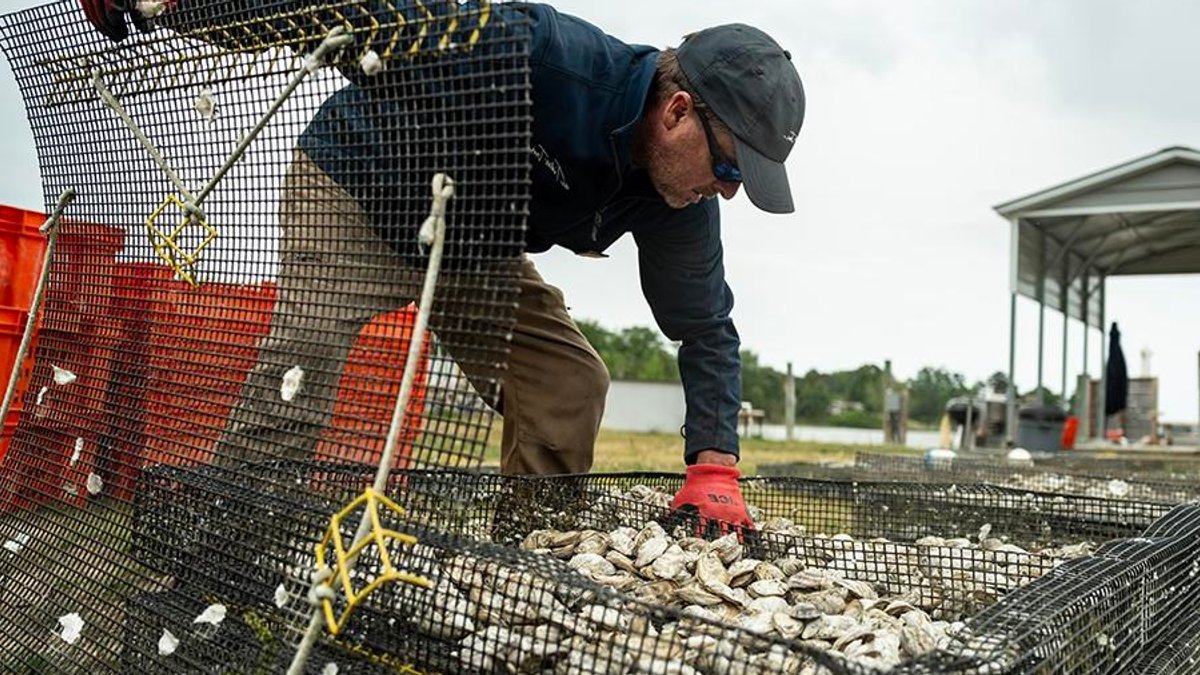
The Tides Inn in Virginia raises regional sourcing with its own oyster variety, the Widgeon, cultivated near the resort’s Chesapeake Bay tributary. Its taste shifts with tides and rainfall, offering seasonal variations. Executive chef Kyle Perkins sources additional ingredients—beef, blackberries—from nearby farms, and guests can even pick blackberries themselves. This approach turns dining into a hands-on connection with the land.
In Wisconsin, Kohler Resort blends Midwestern hospitality with a focus on local ingredients. The Wisconsin Room serves classic steakhouse dishes alongside regional specialties like walleye and duck, while the River Wildlife restaurant highlights game meats and seasonal produce. Even the cocktails, brandy Old Fashioneds and grasshoppers, reflect the area’s culinary traditions.
A few hours away, Brush Creek Ranch in Wyoming transforms its property into a self-sustaining food operation. The resort raises its own American wagyu cattle using Japanese techniques for superior marbling, while goats provide milk for onsite creameries. The Cheyenne Club restaurant serves meals where most ingredients, meat, dairy, even herbs, originate within the ranch’s borders. This closed-loop system includes distillery spirits and farm-fresh bread, all covered by the all-inclusive rate.
In Arizona, Castle Hot Springs cultivates 35 types of citrus on its 3-acre farm, irrigated by the same mineral-rich water that fills its historic pools. Executive chef Chris Knouse designs menus around what the Sonoran Desert can produce, from farmer’s hummus with daily harvest vegetables to a tasting menu featuring cavatelli with local corn and zucchini.
Guests at these properties participate actively in the culinary process. At Wildflower Farms, the farm director adjusts the seasonal menu based on harvests, even changing the protein in ricotta meatballs from pork to lamb as needed. The Hudson Valley’s varied climate supports diverse ingredients. Beyond dining, the Thistle spa incorporates local botanicals into treatments, reinforcing the link between land and experience.
Beyond the Plate: Activities That Deepen the Experience
Many resorts now include hands-on food and drink experiences as standard offerings. Hawks Cay Resort hosts farm-to-table workshops where guests help harvest produce for the kitchen, while Sierra Mar at Post Ranch Inn occasionally hosts private chef’s table events featuring foraged ingredients. These elements are not optional extras but core components of the stay, designed to eliminate the need for external planning. At Kohler Resort, the “Not So Lazy” Susan at the Wisconsin Room reflects the region’s supper club tradition, and the River Wildlife restaurant’s game meats align with the resort’s hunting and fishing activities.
Design Principles Behind Resort Dining Experiences
A key difference in how some luxury resorts approach food lies in their deliberate design choices. These properties reject standardized menus in favor of intentional decisions about sourcing, preparation, and presentation. The emphasis is on crafting experiences through careful selection of ingredients and methods rather than following industry trends. This philosophy extends to every aspect of the dining program, from ingredient selection to staff training.
A New Kind of All-Inclusive
The trend extends beyond dining to how resorts structure entire stays. At The Tides Inn, guests can pick blackberries from the property’s thornless bushes, and children often experience foraging for the first time. The resort’s Widgeon oyster, grown on-site, adapts to tides, a reminder that flavor depends on the environment. Similarly, Castle Hot Springs’ mineral-rich water sustains both its pools and farm, giving citrus and produce a distinct taste. The resort’s Harvest restaurant’s tasting menu showcases what the Sonoran Desert can grow, with dishes like cavatelli made from local corn and zucchini.
