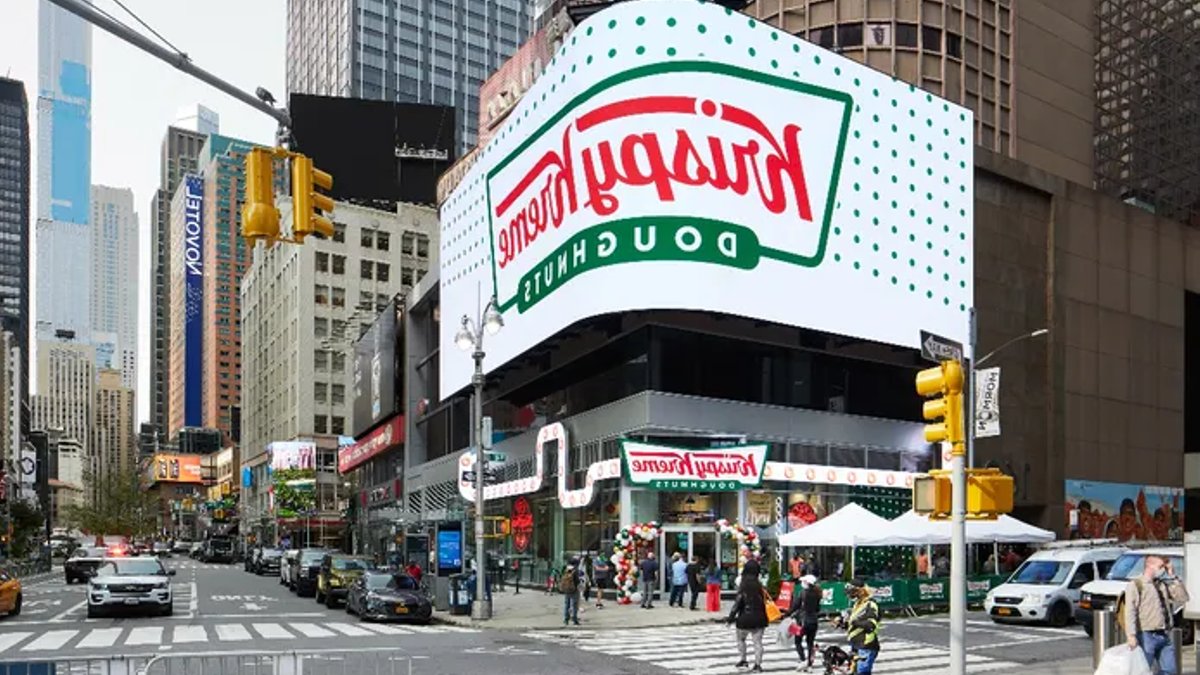
Krispy Kreme has finalized an agreement to open 33 new locations in the New York metro area over the next five years, deepening its footprint in one of the nation’s most crowded retail markets. The franchise operator Original Entrepreneurs, which already manages 12 Krispy Kreme stores in the region since 2017, will oversee the expansion. Existing locations include shops in Jersey City, Springfield, and Paramus, demonstrating the operator’s ability to thrive in competitive urban environments.
This partnership supports Krispy Kreme’s broader shift toward an asset-light business model, a strategy designed to reduce debt while accelerating growth through franchise-led expansion. The move comes after the company secured a $90 million joint venture with WKS Restaurant Group earlier this year, transferring 23 company-owned stores in California and Hawaii. Earlier in 2024, Krispy Kreme sold its Japanese operations for $65 million, further lightening its balance sheet. CEO Josh Charlesworth highlighted in August how these transactions had improved financial flexibility, freeing up resources for high-margin U.S. expansion.
Original Entrepreneurs’ expertise in high-demand markets makes it a natural fit for this deal. The operator has successfully launched Krispy Kreme Hot Light Theater locations, interactive stores where customers observe doughnut production, and plans to introduce that concept in the new sites. Refranchising and development have increased the proportion of sales generated by franchised operations. In 2025, franchisees accounted for 25% of systemwide sales. As of August, that number jumped to 42% of systemwide sales, Charlesworth said during the earnings call. The chain’s goal is to have franchisees contribute half of systemwide sales by early next year.
Beyond physical growth, Krispy Kreme is enhancing its menu and digital presence. Last year, the company expanded its daily doughnut selection from 10 to 16 full-sized varieties, alongside five seasonal collections and frequent limited-edition releases. The emphasis on convenience, through delivery partnerships and strategic store placements, mirrors an industry-wide shift toward seamless omnichannel retailing, where in-store and online sales complement one another.
