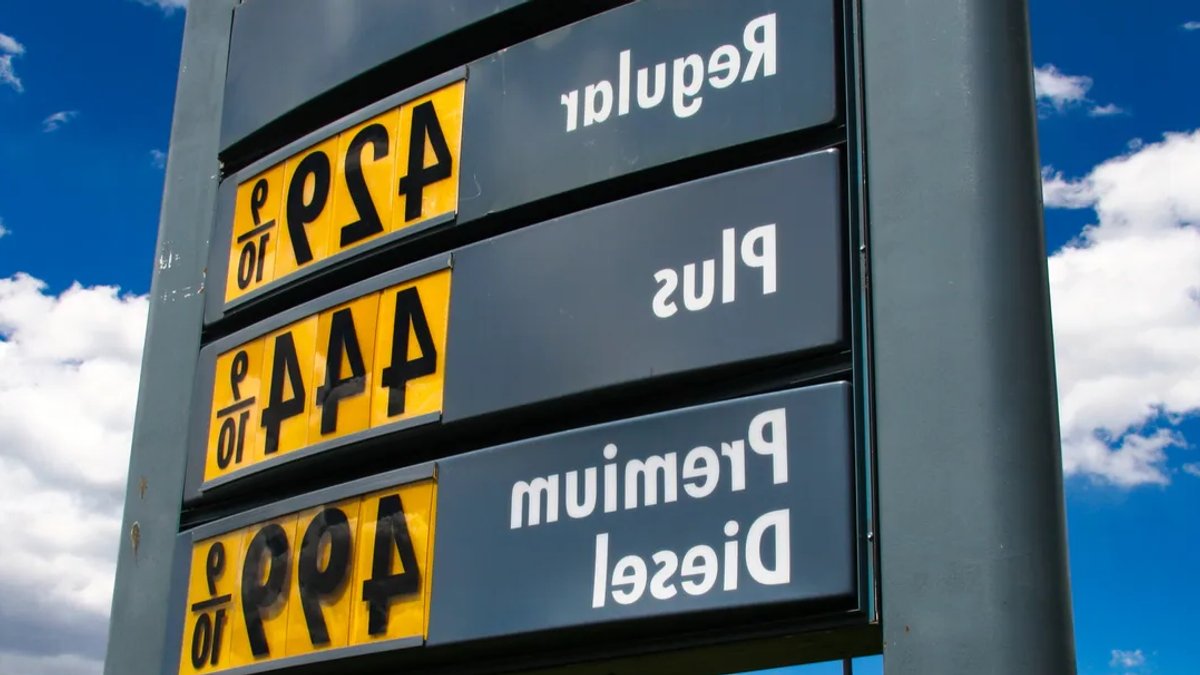
The average price of a gallon of regular gas is back above $4, a development that threatens to slow the momentum in the restaurant industry. According to AAA, the current price sits at $4.09, up from $3.94 just a week ago. This increase follows a sharp climb in crude oil costs, which are up 26% over the past month and 16% over the last week. The volatility in oil prices can be attributed to the complex interplay of global events, including the recent flare-up in the Iran War, which has led to increased speculation about potential military operations in the region.
Geopolitical tensions in the Middle East are driving costs higher. A flare-up in the Iran War has led to speculation that the U.S. is preparing to ramp up military operations in the region. The added uncertainty in global oil supplies creates a direct pressure on pump prices, forcing drivers to pay more for fuel regardless of broader economic trends. This uncertainty also has a ripple effect on the global economy, as countries that rely heavily on imported oil may experience increased inflation and decreased consumer spending power.
When drivers face higher costs at the pump, discretionary spending often takes a hit. This dynamic makes it difficult for the restaurant sector to fully recover from a slow period. A combination of these fuel price increases and a separate cyclospora outbreak has knocked back earlier hopes for an industry rebound. The restaurant industry is particularly vulnerable to changes in consumer spending habits, as dining out is often considered a discretionary activity that can be easily cut back on when budgets are tight.
Fast-food traffic saw a decline of 1.2% in the second quarter, according to data from Revenue Management Solutions. That drop followed a spring slump when gas prices rose and cargo ships began moving through the Strait of Hormuz after a ceasefire took hold. The recent return to $4 gas erodes the consumer confidence needed to reverse that trend. The decline in fast-food traffic is a significant indicator of the industry’s overall health, as it suggests that consumers are becoming more cautious with their spending habits and opting for cheaper alternatives, such as cooking at home.
The stock market has reacted to these headwinds. Almost every restaurant stock was down through late-morning trading on Thursday. While our internal index shows these stocks are still up nearly 13% so far in 2025, they have slipped more than 2% over the past week alone. The decline in restaurant stocks reflects the growing uncertainty and concern among investors about the industry’s ability to recover from the current challenges. The stock market’s reaction to the increase in gas prices and the cyclospora outbreak highlights the interconnectedness of the restaurant industry with the broader economy.
For restaurant operators, the challenge is balancing rising operational costs with a customer base that is increasingly sensitive to price. Higher gas prices effectively act as a tax on dining out, making the difference between a customer choosing to cook at home or visit a local establishment harder to justify. [1]Noodles & Company recently lifted its outlook after a strong quarter, illustrating how specific brands can thrive despite broader industry headwinds. The ability of restaurant operators to adapt to changing consumer preferences and economic conditions will be key in determining their success in the coming months. By focusing on value, quality, and convenience, restaurants can mitigate the impact of higher gas prices and attract price-sensitive customers.
The impact of higher gas prices on the restaurant industry is not limited to consumer spending habits. It also affects the industry’s supply chain, as increased transportation costs can lead to higher food costs and reduced profit margins. Restaurant operators must carefully manage their inventory and supply chain to minimize the impact of these increased costs. Additionally, the rise of delivery and take-out services has created new opportunities for restaurants to reach customers who may be less likely to dine out due to higher gas prices. By investing in digital technologies and delivery infrastructure, restaurants can stay competitive and attract customers who value convenience and flexibility.
The current challenges facing the restaurant industry are a reminder of the complex and interconnected nature of the global economy. The increase in gas prices, driven by geopolitical tensions and speculation about future military operations, has a ripple effect on consumer spending habits, stock prices, and the overall health of the industry. As restaurant operators handle these challenges, they must remain agile and adaptable, focusing on value, quality, and convenience to attract price-sensitive customers and stay competitive in a rapidly changing market.
