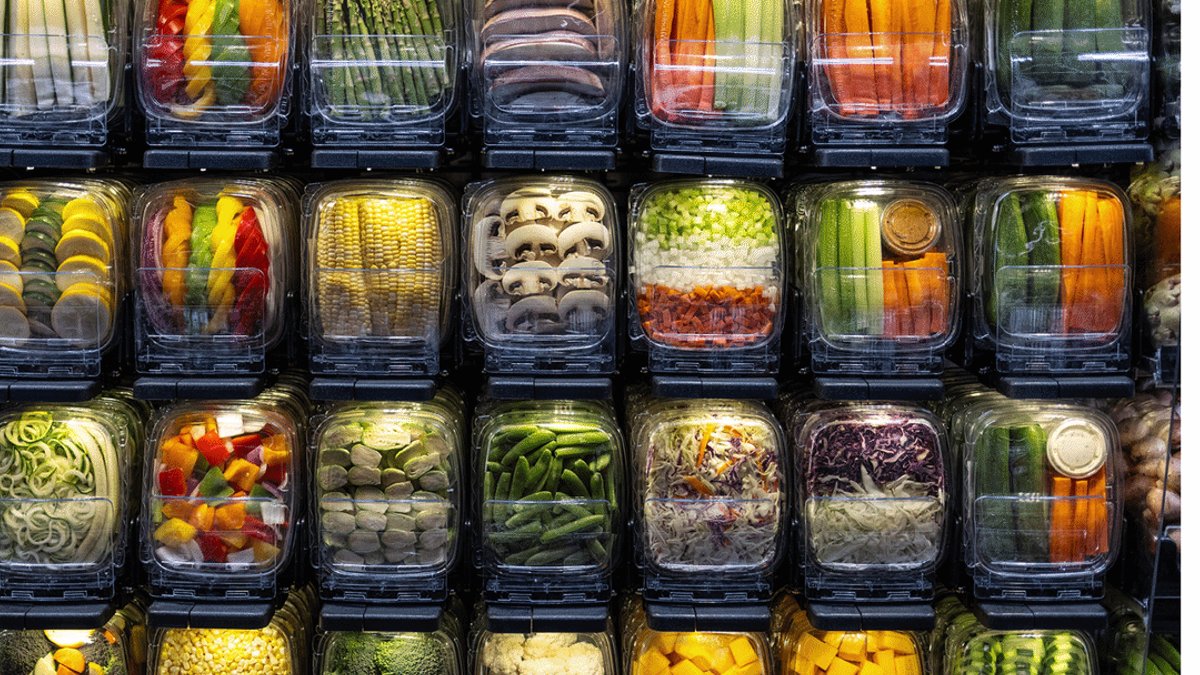
A writer who once cherished specialty grocery stores now feels a growing disdain for what they call the “Erewhonification” of these spaces. The author describes how these shops, which were once havens for food lovers, have transformed into symbols of excess and exclusion. The shift is seen not only in the product mix but also in the atmosphere, the pricing strategy, and the way staff interact with customers. This change has left the columnist reflecting on a loss of authenticity that once defined the niche market.
From Food Lover’s Paradise to Luxury Grocer
The writer recalls a time when specialty grocery stores were places of discovery, offering unique, locally sourced products that felt like hidden treasures. They frequented Eataly, drawn by the promise of new, inspiring ingredients and the chance to explore culinary traditions from around the globe. Those aisles were described as “capsules of the world”, transporting shoppers to different cultures and identities with each shelf. The experience was as much about education as it was about consumption, and the writer often left feeling enriched and curious.
However, the author’s affection has soured over the years. They now view many of these stores as “rip-off Erewhons”, prioritizing luxury and status over genuine culinary passion. The shelves, once filled with quirky, artisanal products, now display overpriced, pre-packaged items like $17 pre-cut Brussels sprouts and “microplastic-free” salt packaged in plastic. The price tags have climbed dramatically, and the novelty of the items has been replaced by a focus on exclusivity. The columnist notes that the shift feels like a betrayal of the original mission to celebrate food as a communal experience.
A Shift in Values
The writer argues that these stores cater to a specific demographic: people who view food as a status symbol or a means of “optimization” rather than a source of pleasure. They criticize the focus on what products don’t contain—such as the avoidance of seed oils—rather than supporting local agriculture or sustainable practices. This emphasis on exclusionary criteria creates an environment where shoppers feel judged for their choices, and the sense of community erodes.
The writer sees the democratization of Whole Foods as a significant factor, noting that the store once synonymous with luxury now offers affordable options, making the need for even more exclusive grocery stores feel sinister. The whole situation feels jarring, as though people with ample means needed a more exclusive option as a result of Whole Foods having become “too accessible.”
While acknowledging the allure of these stores, the author longs for a return to the days when specialty groceries were about discovery and passion, not just conspicuous consumption. They want food to be fun, hedonistic, and accessible, not a symbol of wealth and exclusion. The hope expressed is that future shoppers might once again find joy in exploring new flavors without feeling pressured to spend beyond their means.
The writer reflects on their experience with a Hailey Bieber smoothie in Los Angeles, feeling entranced by its hyper-concentrated strawberry flavor and remarking, “I don’t know, maybe $21 for a smoothie isn’t that ridiculous, when that’s just what cocktails cost, and those are bad for you.” They question the normalization of such extravagant spending, especially when many struggle to afford basic groceries.
