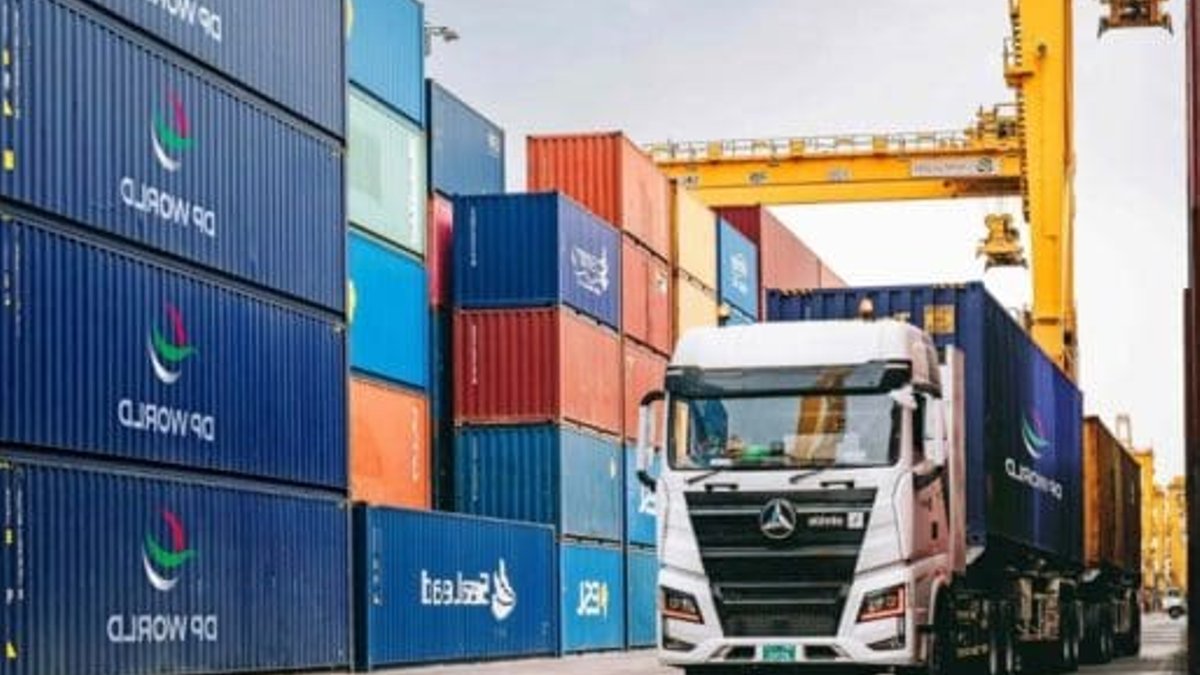
The government of Mozambique has allocated $7.5 billion to overhaul its three primary logistics corridors, Maputo, Beira, and Nacala, as part of a push to establish the nation as a dominant trade gateway in Southern Africa. President Daniel Chapo unveiled the initiative during the opening ceremony of the Transport and Logistics Investment Exhibition Forum (TRANS-LOG MOZ 2026), framing it as essential for regional connectivity. Funding allocations differ across corridors: $4.5 billion is earmarked for Nacala in Nampula province, $2 billion for Maputo, and over $1 billion for Beira in Sofala province.
The upgrades prioritize port modernization, road networks, and border infrastructure, with Nacala designated for a broader transformation. This includes renovations at the Port of Nacala, establishment of a Special Economic Zone, and expansion of industrial parks to stimulate local manufacturing and employment. The Maputo corridor will focus on improving the Port of Maputo, National Road 4, and cross-border links with South Africa, while Beira’s rail and port facilities will be reinforced to maintain its role as a transit hub for Southern African trade routes.
Private investment will drive execution, with Chapo emphasizing public-private partnerships, concession agreements, and build-operate-transfer models to secure funding. He also highlighted institutional reforms, including administrative streamlining, transparency measures, and digital service upgrades to cut costs and reduce bureaucratic hurdles. These changes aim to address vulnerabilities from disruptions in neighboring transport networks, such as those affecting South Africa, by creating alternative freight corridors.
The strategy supports Mozambique’s broader goal of diversifying its economy beyond resource extraction, particularly in northern regions where Nacala’s development could spur industrial activity. Chapo’s announcement at TRANS-LOG MOZ 2026 highlighted the government’s commitment to positioning Mozambique as a logistics linchpin for the Southern African Development Community (SADC). The event served as a platform to attract foreign and domestic investors, with officials stressing that the programme’s design incorporates lessons from past infrastructure challenges.
