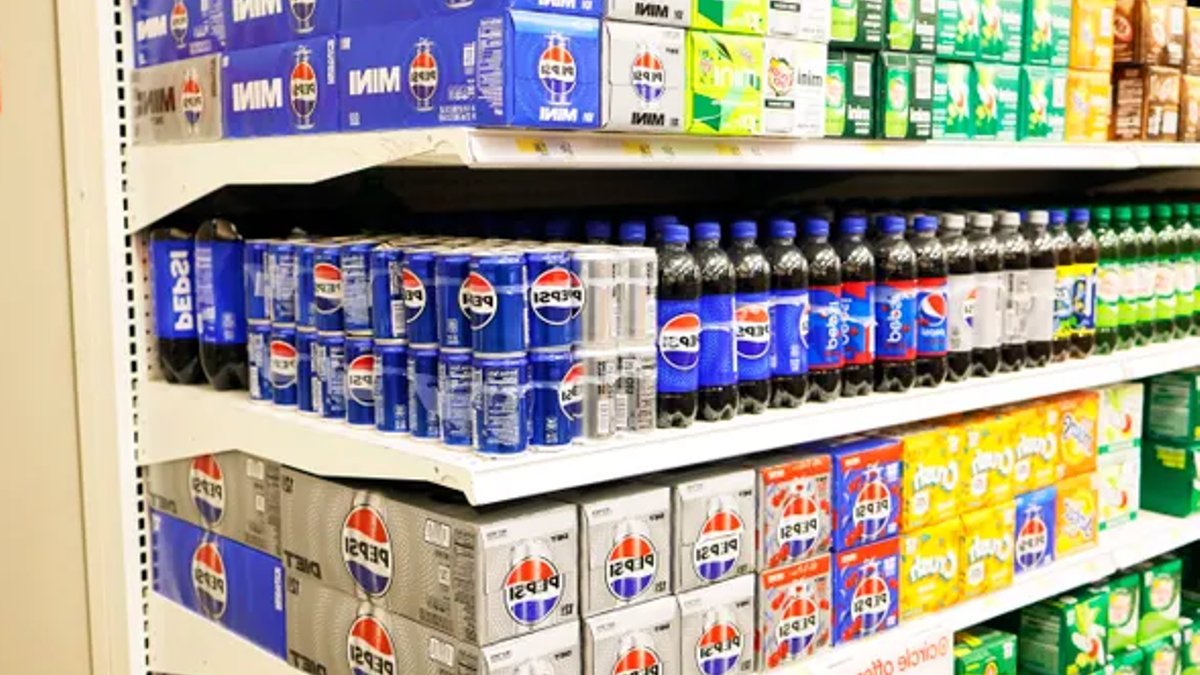
Soda purchases among Supplemental Nutrition Assistance Program recipients fell sharply after states began banning sugary drinks using federal assistance dollars, according to a new working paper released by researchers from Stanford University, the Massachusetts Institute of Technology, and the University of Chicago. The study estimates a 12% decline in sugary drink consumption during the first half of 2026, equating to roughly 34 fewer 12-ounce cans per person annually. Researchers found that SNAP recipients did not compensate by buying more soda with their own money, challenging a long-held assumption in the food industry that restrictions on government benefits would simply shift spending to private funds.
The analysis covers the first 10 states to implement waivers restricting soda purchases, a total of 23 states with such approvals currently in place. The report indicates that while consumption dropped overall, the shift varied depending on the scope of the ban. In states that prohibited only soda, there was no evidence of substitution to other products. However, where waivers also restricted fruit juices and energy drinks, consumers diverted up to 39% of their consumption to those covered items. The researchers point out that this diversion demonstrates that the specific products targeted by the policy dictate the consumer response.
Numerous studies have attempted to gauge the economic impact of these restrictions. A separate report from Numerator estimated that candy bans have already caused a $300 million annual sales loss for the industry. The new working paper from MIT, Stanford, and the University of Chicago offers a broader view of how these restrictions affect grocery spending. SNAP accounts for about 12% of all grocery transactions in the United States, giving the program significant influence over food markets. The findings suggest that financial barriers effectively reduce consumption even when financial resources are otherwise available.
Related: Saint James Enters Yerba Mate Market
Looking at the long-term health implications, the researchers calculate that a complete ban on all sugary drinks through SNAP could generate roughly $1.1 billion in benefits annually. The majority of these savings, about 70%, would stem from reduced healthcare costs associated with treating diabetes and other chronic conditions linked to high sugar intake. The study provides concrete data to support the use of purchasing restrictions as a tool for public health intervention. It confirms that policy changes can alter purchasing behavior without immediately requiring a change in personal income levels.
Industry and legal outlook
The food industry has begun to adapt to these shifting regulations. Ben and Jerry’s expands its board to include diverse perspectives, a move that reflects the broader corporate effort to handle complex regulatory environments. Hershey CEO Kirk Tanner noted in July that the company has observed some impacts in early-adopting states, though overall sales remain within company expectations. The company is coordinating closely with retailers to monitor how restrictions are affecting shelf placement and consumer choices. While individual product lines may see short-term dips, the broader market continues to absorb the changes with a degree of stability.
The legal setting surrounding SNAP restrictions remains complicated. A recent court ruling overturned the bans in five states after SNAP recipients filed lawsuits, creating uncertainty for future policy implementations. This legal volatility means that state-level waivers are not guaranteed to remain in effect indefinitely. As the debate continues over the balance between public health goals and consumer choice, the data from the first years of these waivers provides a necessary baseline for understanding the potential outcomes of expanded restrictions.
