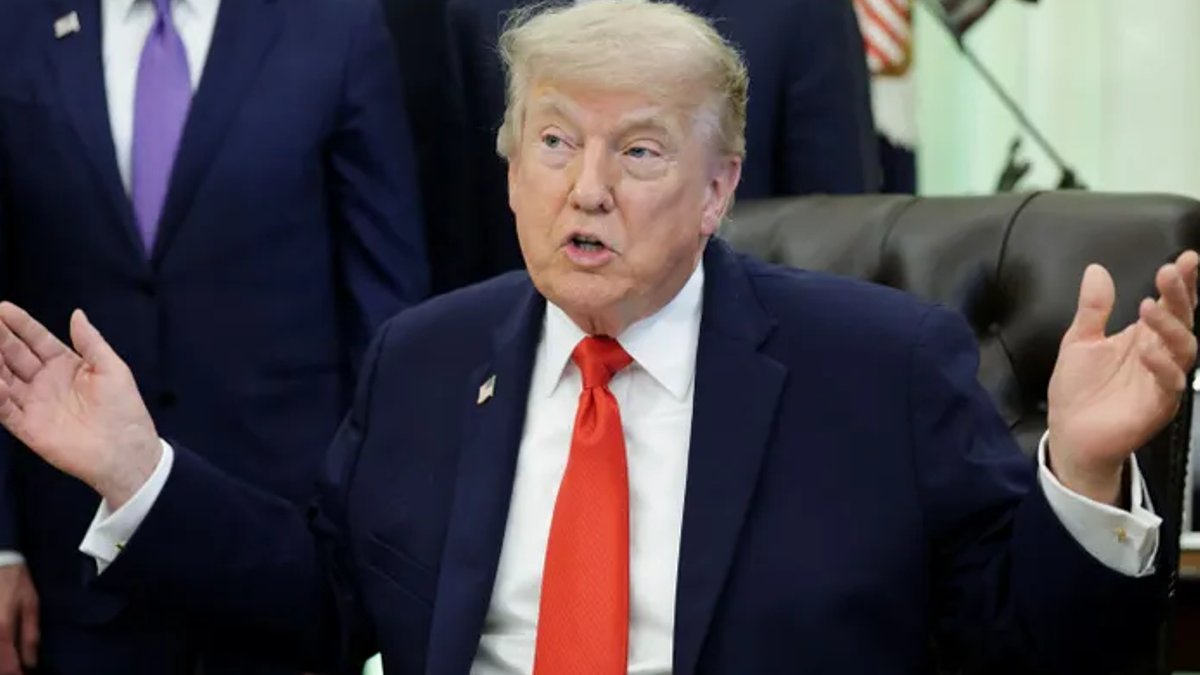
President Donald Trump plans to use legal action to break what he calls a “nasty monopoly” in meat processing, aiming to let farmers and ranchers handle their own animals. The proposal immediately drew criticism from agriculture groups worried about food safety. Trump did not name specific companies, but four firms control the vast majority of beef processing: JBS, Cargill, Tyson Foods, and National Beef.
Monopoly claims and policy moves
The White House has made lowering beef prices a priority ahead of the fall elections as consumers are inundated with a prolonged period of high food prices. Meat companies, including Tyson, have said prices are unlikely to recover in the near term as a livestock shortage is expected to continue into next year. Since May, the administration has asked grocers to lower costs and opened an antitrust investigation into top producers. Earlier this month, Trump announced he would lift a ban on Mexican cattle imports to allow more animals into the U.S. to be processed.
For years, ranchers have complained about the “Big Processors,” according to a social media post from the President. He wrote that he is “authorizing legal documents to be drawn” to address the issue. Agriculture Secretary Brooke Rollins said “big announcements” would begin on Monday. These include expanding ranchers’ ability to sell across state lines, fighting consolidation so small processors can compete and rescinding outdated guidance.
Related: Texas probes PepsiCo, Kraft Heinz avocado oil claims
Republicans and Democrats have previously floated bills or conducted investigations designed to encourage more competition, in hopes that prices would come down if ranchers had more options to sell their livestock. The Biden administration also expanded funding for many small processors in an attempt to open up new markets as part of its plan to tame food inflation, though many of those grants were ultimately frozen or canceled under Trump.
Safety concerns from industry groups
Industry groups strongly denounced the White House’s plan. The National Cattlemen’s Beef Association, which represents ranchers, said it supports increasing competition and creating opportunities for small processors. However, the organization opposed the specific proposal to let farmers process their own food.
“Weakening federal meat inspection and food safety standards, as President Trump has suggested, is not the answer,” the group said in a statement. It warned that constant government interference creates uncertainty for producers making long-term business decisions. The association added that Washington needs to stop trying to manage the cattle business and let the market work. The criticism highlights a conflict between the administration’s desire to lower prices and the industry’s insistence on maintaining strict safety oversight.
